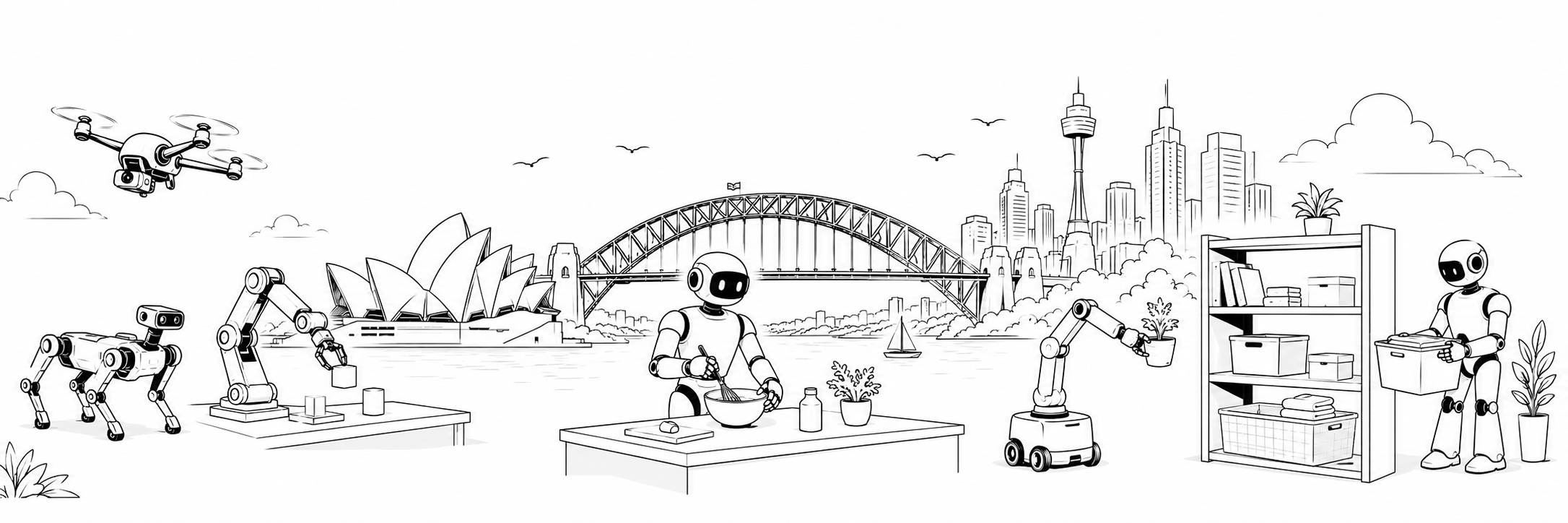
8th Robot Learning Workshop @ NeurIPS 2026
Is Physical AI truly going zero-shot? Join the debate on foundation models, robotics, deployment, and embodied generalization.
News
- October 14th, 2026 — Camera ready instructions are now available! Deadline: November 6, 2026. See Call for Papers for details.
-
August 26th, 2026 — Deadline extended! New Submission Deadline:
August 26, 2026September 2, 2026 (11:59 PM AoE). - July 13th, 2026 — Submissions are now open! Decisions Announced: September 29, 2026. Submit via OpenReview.
- July 13th, 2026 — The Robot Learning Workshop is returning to NeurIPS in 2026 for its 8th edition. See you in Sydney!
About
The year 2025 has seen an unprecedented acceleration in the scale and diversity of foundation models for robotics, with the trend continuing in 2026. With the 8th Robot Learning workshop, returning to its native venue at NeurIPS 2026, we aim to explore a provocative question: Is Physical AI going zero-shot?
Driven by the large-scale training of foundation models across diverse data sources and embodiments, we are witnessing the emergence of agentic approaches that allow robots to reason their way through complex, unseen tasks. We propose to critically examine how these paradigms shift the traditional boundaries of robot learning:
- Are we moving past narrow task-specific fine-tuning toward reasoning-based physical agents?
- What are the implications of scaling laws, diverse training datasets, and multi-modal models in real-world deployment?
- Can generalization alone lead us to the strong performance levels required in robotics use cases?
We seek diverse perspectives from the machine learning and robotics communities—both academia and industry—to map the trajectory of zero-shot physical AI.
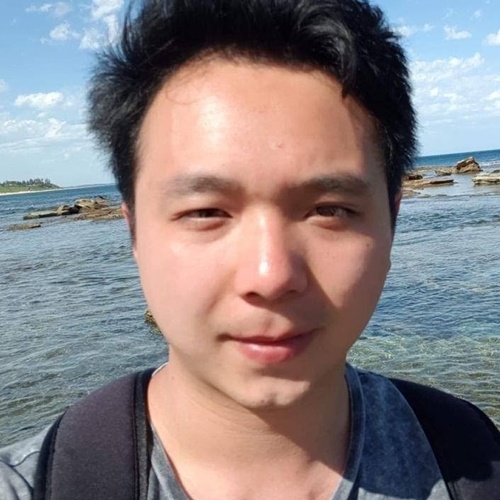
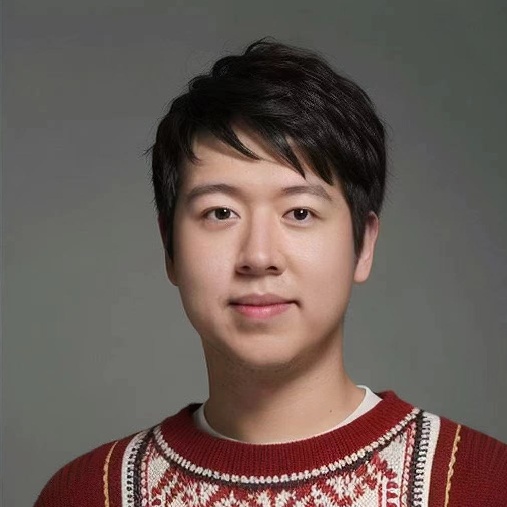
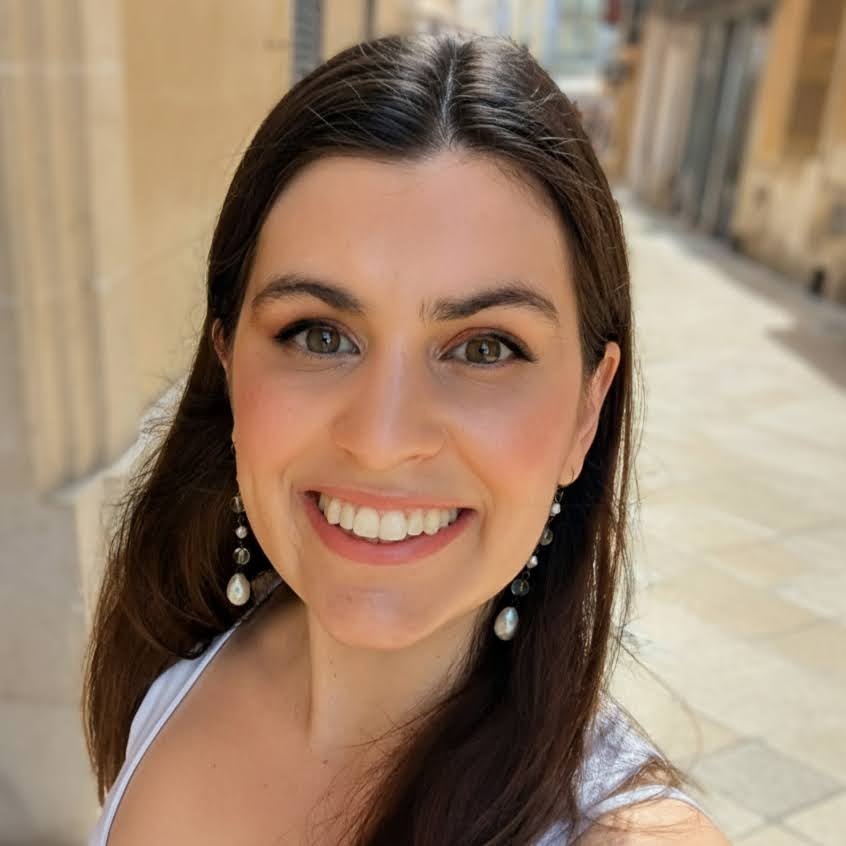
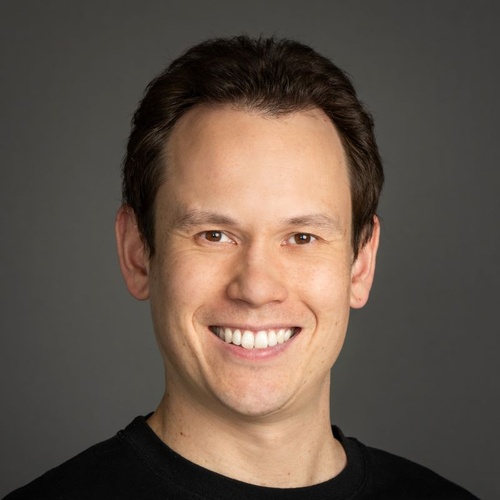
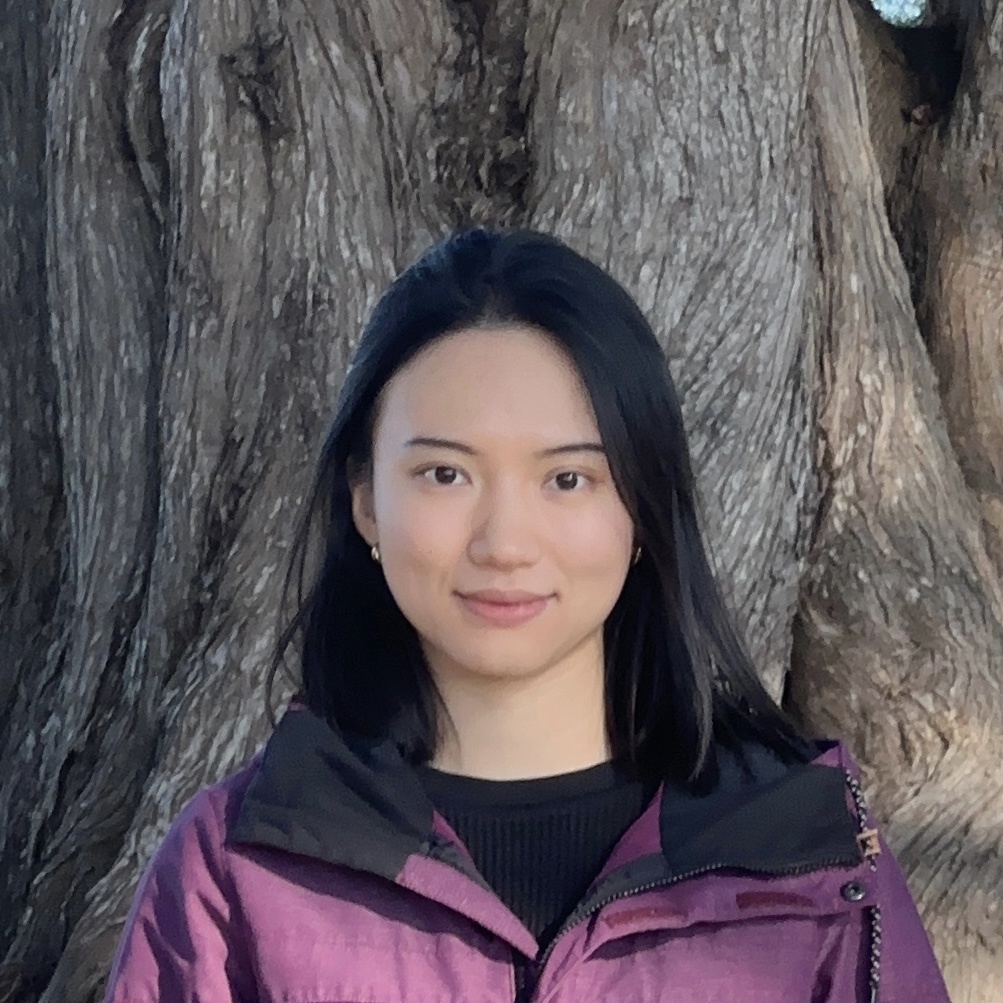
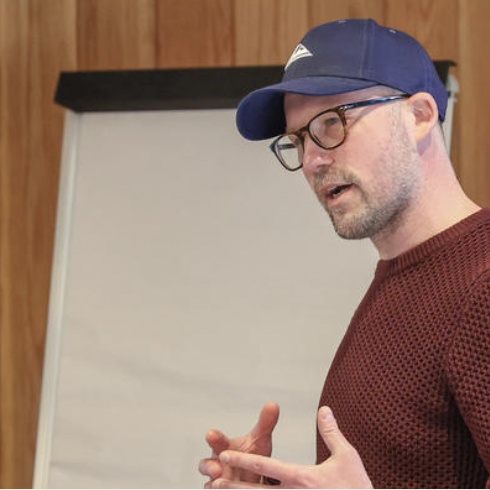
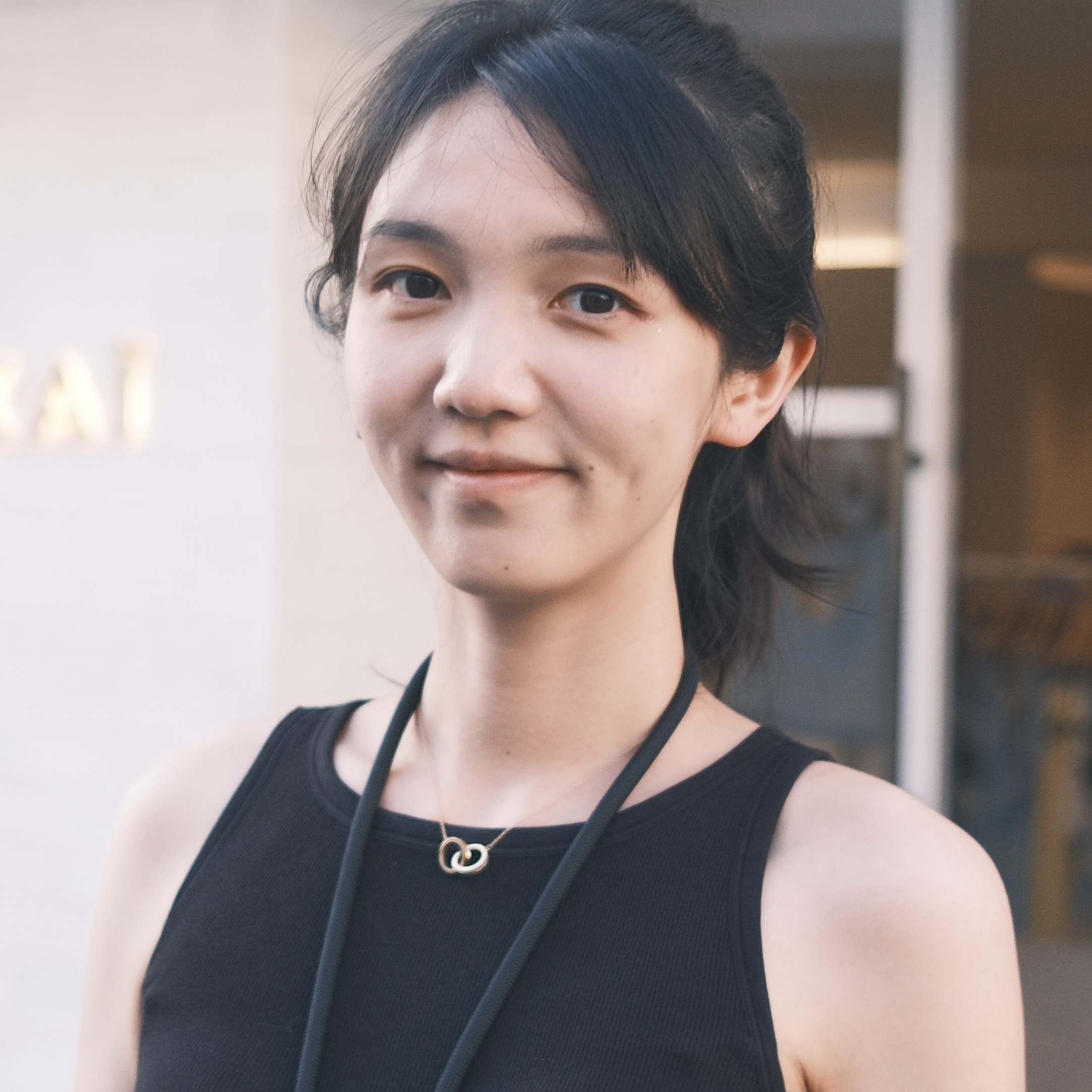
Invited Speakers
Schedule
Full-day in-person workshop with 8.5 hours of session content.
| Time | Event |
|---|---|
| 09:00 - 09:10 | Opening remarks |
| 09:10 - 10:50 | Invited talks (4 talks, ~25 min each including Q&A) |
| 10:50 - 11:10 | Break |
| 11:10 - 11:50 | Lightning talks |
| 11:50 - 12:50 | Lunch |
| 12:50 - 14:20 | Poster session |
| 14:20 - 16:00 | Invited talks (4 talks, ~25 min each including Q&A) |
| 16:00 - 16:20 | Break |
| 16:20 - 17:05 | Panel: “Is zero-shot Physical AI a realistic near-term goal?” |
| 17:05 - 17:25 | Best paper and runner-up presentations |
| 17:25 - 17:30 | Closing remarks |
Organizers
- Andrey Kolobov (Microsoft Research, USA)
- Alex Bewley (Google DeepMind, Switzerland)
- Hamidreza Kasaei (University of Groningen, Netherlands)
- Roberto Calandra (TU Dresden, Germany)
- Johannes V. S. Busch (TU Dresden, Germany)
- Moritz Reuss (NVIDIA, Switzerland)
- Jiaxu Xing (University of Zurich, Switzerland)
- Jen Jen Chung (University of Queensland, Australia)
Advisors
- Markus Wulfmeier (Nomagic, Switzerland/Poland)
- Masha Itkina (Toyota Research Institute, USA)
Contact
For any questions, please contact us at wrl2026organizers@robot-learning.ml